FOLLOW US

News
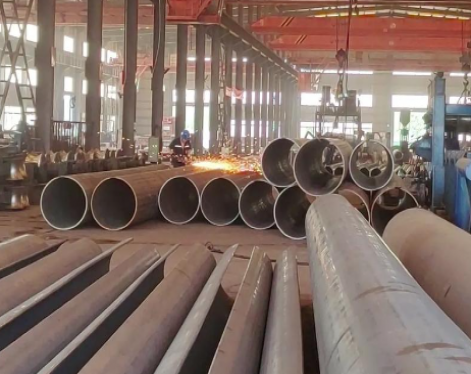
LSAW pipes, with their excellent pressure resistance and structural strength, are widely used in critical fields such as oil and gas transportation, marine engineering, and building piling. They often need to operate under extreme temperatures and pressures
Read more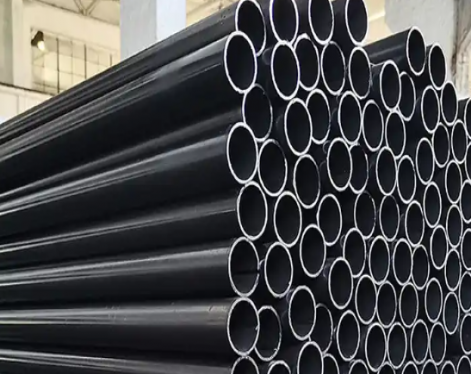
The biggest difference between Schedule 40 and Schedule 80 seamless black steel pipe is wall thickness and pressure capacity. Schedule 80 pipe has thicker walls, so it can handle higher pressure, stronger impact, and harsher industrial environments.
Read more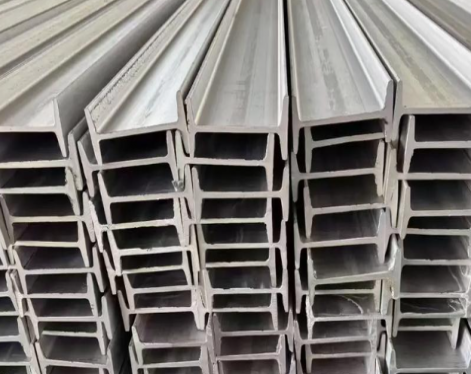
Stainless steel beams have high chromium content, giving them excellent corrosion resistance and a longer service life, making them ideal for harsh or humid environments. Mild steel beams contain low carbon steel, making them cheaper and easier to weld and fabricate, but they rust more easily without protective coating.
Read more
In heavy industries such as oil, gas, chemicals, and power, piping systems and spools are considered the "blood vessels" of the entire project. Their quality directly affects the safety, stability, and operational efficiency of the system.
Read more
Galvanized pipe is one of the most widely used steel pipe products in building, water supply, fire protection, agricultural, and industrial piping systems. For many newcomers to decoration, construction, or DIY building, the technical terms like "Q235," "DN25," "4-point," and "Sch40" used by vendors can often leave them confused.
Read more
Seamless steel pipes are hollow steel products widely used for transporting fluids such as oil, natural gas, water, steam, and gas. Thanks to their high strength, excellent pressure resistance, and good bending performance, they are also commonly used in mechanical manufacturing, engineering structures, boilers, petroleum equipment, and industrial piping systems.
Read moreINQUIRY HERE