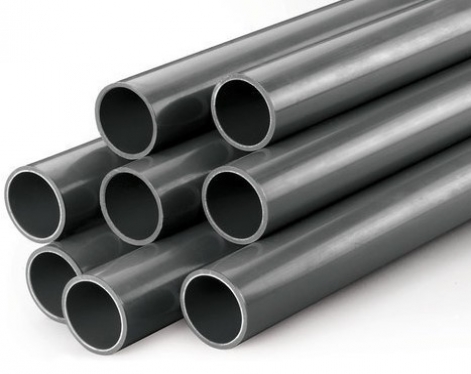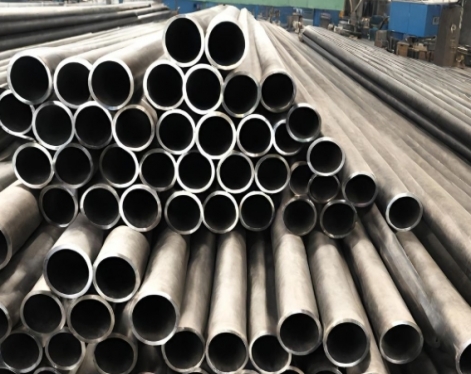
ERW (Electric Resistance Welded) pipes are widely used in construction, oil & gas, water transmission, and structural applications. One of the most critical factors when selecting ERW pipes is understanding outer diameter (OD) and wall thickness, as these directly affect pressure capacity, strength, weight, and compliance with international standards.
Read moreOCTG (Oil Country Tubular Goods) refers to oilfield-specific tubing, a general term for key tubing used in drilling, well completion, and oil production during oil and gas exploration and development.
Read moreIn modern foundation engineering, piling pipes are essential structural elements used to transfer loads from buildings, bridges, marine structures, and other infrastructure deep into stable soil layers. Choosing the right type of piling pipe can directly affect project performance, durability, installation cost, and long-term stability.
Read moreCarbon steel plates, as a fundamental material in modern industry, occupy an irreplaceable position in the automotive manufacturing sector due to their excellent mechanical properties, processability, and cost-effectiveness.
Read moreStainless steel boiler tubes are metal pipes used in boiler systems to conduct heat and steam. Their main functions are to conduct heat, transport fluids, withstand steam pressure, and maintain long-term stable operation under high temperature and high pressure conditions.
Read moreASTM A213 is a standard developed by the American Society for Testing and Materials (ASTM) for seamless alloy steel and stainless steel tubes used in boilers, superheaters, and heat exchangers.
Read more