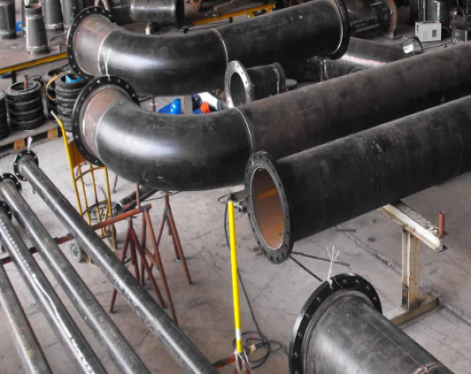
3PE Anti-Corrosion Steel Pipe: Processes and Treatment Methods
Common Anti-Corrosion Processes for 3PE Steel Pipes: An anti-corrosion steel pipe refers to a steel pipeline that has undergone specialized anti-corrosion processing to effectively prevent or retard corrosion—resulting from chemical or electrochemical reactions—during transportation and service.Standard-Grade 3PE Anti-Corrosion Steel Pipe: This refers to a steel pipe featuring a three-layer polyolefin coating structure (MAPEC) on its exterior; it is a widely utilized type of anti-corrosion pipeline within China. The standard three-layer PE anti-corrosion structure consists of: a first layer of fusion-bonded epoxy (FBE) powder (>100 µm); a second layer of adhesive (AD) (170–250 µm); and a third layer of polyethylene (PE) (2.5–3.7 mm). Other anti-corrosion methods include IPN8710, FBE epoxy powder, and epoxy coal tar pitch coatings.
However, the general public often lacks a comprehensive understanding of the various anti-corrosion methods and processes applicable to steel pipes. This includes major common categories such as 2PE/3PE coatings, 2PP/3PP coatings, anti-corrosion treatments for buried fire-fighting pipelines, corrosion protection for steel-plastic composite pipes, enhanced-grade anti-corrosion for underground pipelines, epoxy coal tar coatings, and standard PE coatings. The 5 Major Advantages of Anti-Corrosion Steel Pipes: Beyond simply extending the service life of the steel pipe, anti-corrosion treatment offers specific benefits manifested in the following aspects:
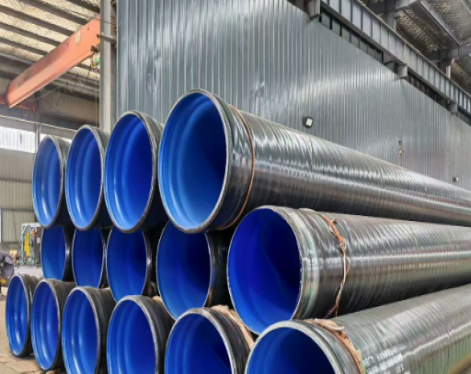
1. It combines the mechanical strength inherent to steel pipes with the corrosion resistance characteristic of plastics.
2. The exterior wall features a coating thickness of 2.5 mm or more, providing excellent resistance against scratches and physical impacts.
3. The interior wall exhibits a low coefficient of friction, thereby reducing energy consumption during fluid transport.
4. The interior wall meets national sanitary and hygiene standards.
5. The interior wall is smooth, resistant to scale formation (fouling), and possesses self-cleaning properties.
Construction Methods for Anti-Corrosion Coatings on Pressure Steel Pipes (Pipelines): As a corrosion-protection technology for pressure pipelines, the most widely and universally adopted methods involve the application of coatings and composite materials.
For pipelines conveying highly corrosive media, non-metallic corrosion-resistant materials are typically employed.
In specific sectors of the petroleum and petrochemical industries, the use of corrosion inhibitor technologies within pipelines is also practiced.
Furthermore, for urban underground utility lines and long-distance underground transmission pipelines, the application of cathodic protection technology is a relatively common practice. Applying protective coatings to pipelines is a simple and practical method for corrosion prevention.
The primary criterion for selecting a coating is the quality of its performance.
The requirements for such coatings generally fall into the following three categories:(1) Excellent Corrosion Resistance:The coating film formed by the material must remain relatively stable when exposed to various corrosive media—such as acids, alkalis, salts, industrial wastewater, and chemically active atmospheres. It must not dissolve, swell, or decompose upon contact with these media, nor should it undergo chemical reactions that generate new, harmful substances.
(2) Effective Impermeability:When exposed to highly permeable liquid or gaseous media, the coating must effectively block their penetration, thereby preventing them from exerting a corrosive effect on the pipeline surface.
(3)Superior Adhesion and Flexibility:The coating must not detach from the pipeline surface due to vibrations or minor structural deformations; consequently, the coating is required to possess a certain degree of mechanical strength.
Commonly used anti-corrosion coatings include the following types:
Epoxy Resin Anti-Corrosion Coatings:These coatings offer numerous advantages—including strong adhesion, excellent resistance to acids and alkalis, and low shrinkage rates—and are therefore widely utilized for corrosion protection on both the interior and exterior surfaces of pipelines.Their primary disadvantage is poor weather resistance; the paint film is prone to chalking, particularly if the curing process is inadequate. In such cases, the coating exhibits poor water resistance, and the film tends to turn white and become brittle.