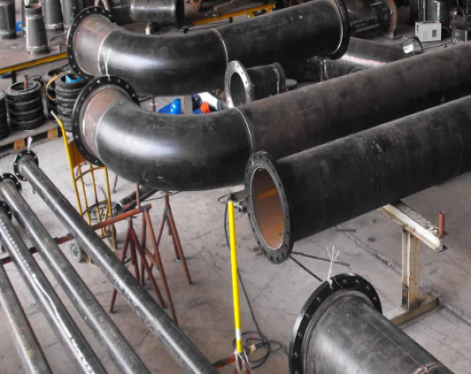
In modern foundation engineering, piling pipes are essential structural elements used to transfer loads from buildings, bridges, marine structures, and other infrastructure deep into stable soil layers. Choosing the right type of piling pipe can directly affect project performance, durability, installation cost, and long-term stability. This guide provides a comprehensive overview of the most widely used piling pipe types, their characteristics, applications, and considerations.
Classification by Manufacturing Method
The manufacturing process affects pipe strength, cost, diameter range, and suitability for specific load conditions. The most common classifications are:
1. Seamless Steel Pipe
Seamless steel pipes are produced by hot rolling or cold drawing, with no welding seams in the pipe body.They offer high strength, uniform structure, and excellent resistance to compression and tension. Due to the absence of welds, seamless pipes perform well under high loads and harsh conditions, making them suitable for demanding piling applications.
2. Resistance Welded Steel Pipe (ERW / HFW)
ERW/HFW pipes are straight-seam steel pipes formed from steel strips and welded using high-frequency resistance welding.These pipes have a smooth appearance, stable dimensions, and high production efficiency, resulting in lower costs. They are commonly used for medium and small diameter piles where economical and reliable performance is required.
3. LSAW Steel Pipe
LSAW steel pipes are made from steel plates and welded longitudinally using submerged arc welding.They provide high weld quality and strong load-bearing capacity, making them suitable for medium to large diameter and thick-walled piling pipes used in heavy foundation projects.
4. SSAW Steel Pipe
SSAW steel pipes are manufactured by spiral forming and submerged arc welding.They allow large diameters and long lengths at relatively low cost, and are widely used in marine works, docks, and revetment piling applications.
Steel pipe piles are tubular piles made primarily of steel, typically manufactured using spiral welding or straight seam welding processes. They are characterized by high strength, good bending resistance, and fast construction speed, making them particularly suitable for soft soil foundations, deep water foundations, and projects requiring rapid construction. Steel pipe piles are recyclable and environmentally friendly, but their cost is relatively high, and they require anti-corrosion treatment.
2. Concrete Pipe Piles
Concrete pipe piles are tubular piles made primarily of concrete. Based on different production processes, they can be divided into:
Prestressed Concrete Pipe Piles (PHC Piles): Produced using the pre-tensioning prestressing process, they feature high strength, good crack resistance, and high bearing capacity, and are currently the most widely used type of precast pile.
Ordinary Concrete Pipe Piles: Not prestressed, with relatively lower strength, suitable for general foundation engineering.
Concrete pipe piles have lower cost and better durability, but are heavy, requiring large equipment for transportation and construction.
3. Composite pipe piles
Concrete pipe piles are also relatively inexpensive and durable, but they are heavy, requiring large equipment for transportation and construction. 3. Composite Pipe Piles
Composite pipe piles are piles composed of two or more materials. Common types include:
Steel-concrete composite piles: Concrete is filled inside a steel pipe, combining the strength of steel and the rigidity of concrete.
FRP-reinforced concrete pipe piles: Fiber-reinforced composite material (FRP) pipes are used, offering advantages such as lightweight, high strength, and corrosion resistance.
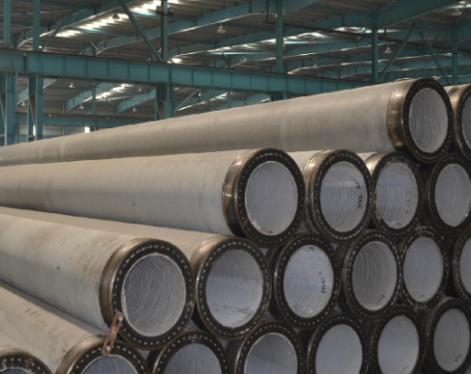
If you’re involved in foundation design, construction planning, or material procurement, this guide offers reliable insights backed by authoritative industry practices
What Are Piling Pipes?
Piling pipes are hollow cylindrical structural pipes driven, driven and vibrated, or drilled into the ground to support vertical loads, resist lateral movements, and stabilize soil. They are commonly used as deep foundation solutions when shallow soil layers cannot support structural loads.Classification by Manufacturing Method
The manufacturing process affects pipe strength, cost, diameter range, and suitability for specific load conditions. The most common classifications are:
1. Seamless Steel Pipe
Seamless steel pipes are produced by hot rolling or cold drawing, with no welding seams in the pipe body.They offer high strength, uniform structure, and excellent resistance to compression and tension. Due to the absence of welds, seamless pipes perform well under high loads and harsh conditions, making them suitable for demanding piling applications.
2. Resistance Welded Steel Pipe (ERW / HFW)
ERW/HFW pipes are straight-seam steel pipes formed from steel strips and welded using high-frequency resistance welding.These pipes have a smooth appearance, stable dimensions, and high production efficiency, resulting in lower costs. They are commonly used for medium and small diameter piles where economical and reliable performance is required.
3. LSAW Steel Pipe
LSAW steel pipes are made from steel plates and welded longitudinally using submerged arc welding.They provide high weld quality and strong load-bearing capacity, making them suitable for medium to large diameter and thick-walled piling pipes used in heavy foundation projects.
4. SSAW Steel Pipe
SSAW steel pipes are manufactured by spiral forming and submerged arc welding.They allow large diameters and long lengths at relatively low cost, and are widely used in marine works, docks, and revetment piling applications.
Piling pipes are classified by material
1. Steel Pipe PilesSteel pipe piles are tubular piles made primarily of steel, typically manufactured using spiral welding or straight seam welding processes. They are characterized by high strength, good bending resistance, and fast construction speed, making them particularly suitable for soft soil foundations, deep water foundations, and projects requiring rapid construction. Steel pipe piles are recyclable and environmentally friendly, but their cost is relatively high, and they require anti-corrosion treatment.
2. Concrete Pipe Piles
Concrete pipe piles are tubular piles made primarily of concrete. Based on different production processes, they can be divided into:
Prestressed Concrete Pipe Piles (PHC Piles): Produced using the pre-tensioning prestressing process, they feature high strength, good crack resistance, and high bearing capacity, and are currently the most widely used type of precast pile.
Ordinary Concrete Pipe Piles: Not prestressed, with relatively lower strength, suitable for general foundation engineering.
Concrete pipe piles have lower cost and better durability, but are heavy, requiring large equipment for transportation and construction.
3. Composite pipe piles
Concrete pipe piles are also relatively inexpensive and durable, but they are heavy, requiring large equipment for transportation and construction. 3. Composite Pipe Piles
Composite pipe piles are piles composed of two or more materials. Common types include:
Steel-concrete composite piles: Concrete is filled inside a steel pipe, combining the strength of steel and the rigidity of concrete.
FRP-reinforced concrete pipe piles: Fiber-reinforced composite material (FRP) pipes are used, offering advantages such as lightweight, high strength, and corrosion resistance.
Conclusion
Understanding the common types of piling pipes, their manufacturing methods, functional classifications, and material properties is essential for successful deep foundation design. Whether it’s seamless steel for high-performance needs or cost-effective spiral welded piles for large diameters, each type plays a unique role in ensuring structural safety and project efficiency.If you’re involved in foundation design, construction planning, or material procurement, this guide offers reliable insights backed by authoritative industry practices