Introduction
A common question in construction and metalworking is: does carbon steel rust? The answer is yes. Carbon steel will rust when it is exposed to moisture and oxygen over time. However, the rate of corrosion depends on environmental conditions and how well the material is protected.In this article, we will explain why carbon steel rusts, what factors speed up corrosion, and the most effective ways to prevent it in real-world applications.
Why Does Carbon Steel Rust?
Carbon steel is mainly composed of iron and carbon. Unlike stainless steel, it does not contain enough chromium to form a natural protective oxide layer. As a result, when iron in carbon steel comes into contact with water and oxygen, it undergoes an oxidation reaction that produces iron oxide—commonly known as rust.In simple terms, rust is the natural result of iron reacting with its environment.
Which is more prone to rusting in carbon steel pipes: seamless or welded steel pipes?
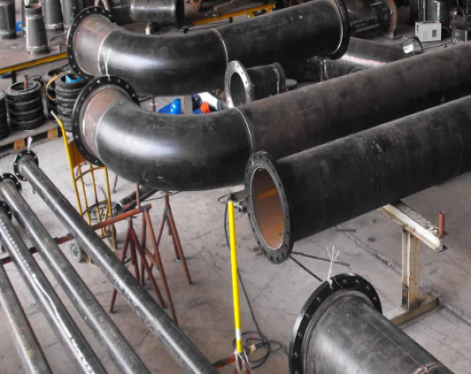
Generally speaking, welded steel pipes (seamed steel pipes) are more prone to rusting than seamless steel pipes. This is because welded steel pipes have weld seams during manufacturing, where the metal structure may change, and the heat-affected zone is more likely to develop microscopic defects or residual stress, becoming weak points for corrosion. Inadequate anti-corrosion treatment of the weld seams can also accelerate localized rusting. Seamless steel pipes, on the other hand, have no weld joints, resulting in a more uniform and dense structure, thus offering more stable corrosion resistance. However, it's important to note that both are essentially carbon steel, and both will rust when exposed to humid, oxygen-rich, or salt-spray environments. The key factor is the anti-corrosion coating and the environment in which they are used.Key Factors That Cause or Speed Up Rusting
Several environmental and physical conditions can accelerate corrosion in carbon steel:1. Moisture and Humidity
Water is the primary driver of rust formation. High humidity or direct water exposure significantly increases corrosion risk.
2. Oxygen Exposure
Oxygen reacts with iron to initiate the oxidation process, especially when moisture is present.
3. Salt and Chemical Exposure
Saltwater environments and industrial chemicals dramatically speed up corrosion, making coastal and offshore applications more challenging.
4. Surface Damage
Scratches, cuts, or coating damage expose raw metal, allowing rust to start more easily at those points.
How to Prevent Carbon Steel from Rusting
Although carbon steel is prone to corrosion, its lifespan can be greatly extended through proper protection and maintenance.1. Protective Coatings
Applying a barrier layer is one of the most effective methods:
Paint or powder coating creates a physical shield against moisture and oxygen
Galvanization (zinc coating) provides sacrificial protection against corrosion
Oil or grease coatings help repel water in temporary or storage applications
2. Stainless Steel Cladding
In some high-performance applications, a layer of stainless steel is bonded to carbon steel to improve corrosion resistance while maintaining strength and cost efficiency.
3. Proper Maintenance Practices
Routine care helps slow down rust development:
Keep surfaces clean and dry
Inspect regularly for early rust spots
Remove corrosion immediately before it spreads
4. Controlled Storage Conditions
Storage conditions play a major role in preventing rust:
Store carbon steel in dry, low-humidity environments
Use ventilation or dehumidifiers in storage areas
Avoid direct contact with water or damp surfaces
Applications of Carbon Steel Despite Rust Concerns
Even though rust is a known drawback, carbon steel remains one of the most widely used materials due to its strength, availability, and cost-effectiveness.
Common applications include:
Construction: structural beams, pipelines, and frameworks
Automotive industry: chassis and suspension components
Tools and machinery: cutting tools, hammers, and industrial equipment
Pressure systems: storage tanks and industrial vessels
With proper protection, carbon steel can perform reliably even in demanding environments.