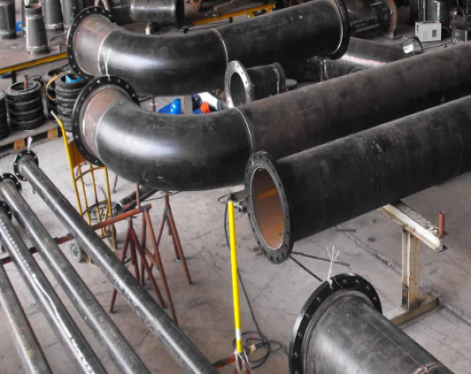
When brown rust spots appear on the surface of stainless steel pipes, people are often surprised, thinking, "Stainless steel doesn't rust; if it rusts, it's not stainless steel, and there might be a problem with the steel quality." In fact, this is a one-sided and incorrect view due to a lack of understanding of stainless steel. Stainless steel can rust under certain conditions, and so can stainless steel sheets.
2. The content of alloy elements. Generally speaking, steel with a chromium content of 10.5% or more is less likely to rust. The higher the chromium and nickel content, the better the corrosion resistance. For example, 304 stainless steel requires a nickel content of 8-10% and a chromium content of 18-20%. Such stainless steel sheets will not rust under normal circumstances.
3. External environment. Dry and well-ventilated environments are less prone to rusting. However, environments with high air humidity, continuous rainy weather, or high acidity and alkalinity are more prone to rusting. Even 304 stainless steel sheets will rust if the surrounding environment is too harsh.
Choose the appropriate stainless steel grade according to the usage environment. 304 can be used in dry indoor environments, while 316 (containing molybdenum, which has stronger resistance to chloride ion corrosion) should be used in coastal or high-humidity areas. 316L or duplex stainless steel can be used in highly corrosive chemical environments.
2. Surface treatment
Enhance the rust resistance of stainless steel through methods such as chemical passivation, electrochemical polishing, and protective coatings. Passivation treatment can convert the chromium-poor layer on the stainless steel surface into a chromium-rich layer, forming a denser passivation film, which is dozens of times more effective in preventing rust than traditional anti-rust oil.
3. Regular Maintenance
Keep the stainless steel surface clean and dry, and clean it regularly with a neutral detergent. Avoid using chlorine-containing cleaning agents (such as 84 disinfectant) or hard materials such as steel wool. Slight rust should be treated promptly with a special rust remover. Severe corrosion requires surface re-treatment.
4. Storage Environment Control
Stainless steel sheets should be stored in a dry, well-ventilated warehouse with a relative humidity controlled between 50% and 70%. Avoid direct contact with carbon steel materials. When stacking, the sheets should be elevated above the ground to prevent moisture from the ground.
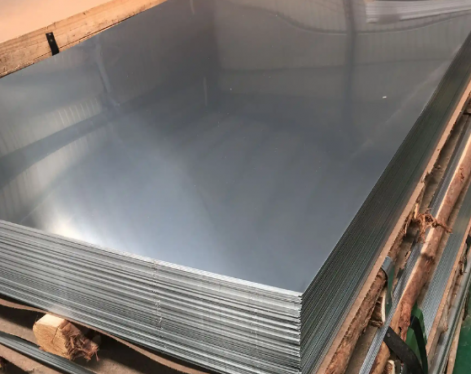
There are many types of stainless steel, which can be classified into several categories based on their microstructure at room temperature:
1. Austenitic type: such as 201, 202, 301, 304, 316, etc.;
2. Martensitic or ferritic type: such as 430, 420, 410, etc.;
Austenitic types are non-magnetic or weakly magnetic, while martensitic or ferritic types are magnetic.
The main factors leading to stainless steel sheet rusting include:
1. The smelting process of the manufacturing enterprise also affects the corrosion resistance of stainless steel sheets. Large stainless steel sheet manufacturers with good smelting technology, equipment, and processes can ensure control of alloy elements, removal of impurities, and control of steel billet cooling temperature. Therefore, their product quality is stable and reliable, with good intrinsic quality and less susceptibility to rust. Conversely, some small steel mills have outdated equipment and processes, and impurities cannot be removed during the smelting process, making their products prone to rusting.2. The content of alloy elements. Generally speaking, steel with a chromium content of 10.5% or more is less likely to rust. The higher the chromium and nickel content, the better the corrosion resistance. For example, 304 stainless steel requires a nickel content of 8-10% and a chromium content of 18-20%. Such stainless steel sheets will not rust under normal circumstances.
3. External environment. Dry and well-ventilated environments are less prone to rusting. However, environments with high air humidity, continuous rainy weather, or high acidity and alkalinity are more prone to rusting. Even 304 stainless steel sheets will rust if the surrounding environment is too harsh.
How to effectively prevent stainless steel sheets from rusting:
1. Correct material selectionChoose the appropriate stainless steel grade according to the usage environment. 304 can be used in dry indoor environments, while 316 (containing molybdenum, which has stronger resistance to chloride ion corrosion) should be used in coastal or high-humidity areas. 316L or duplex stainless steel can be used in highly corrosive chemical environments.
2. Surface treatment
Enhance the rust resistance of stainless steel through methods such as chemical passivation, electrochemical polishing, and protective coatings. Passivation treatment can convert the chromium-poor layer on the stainless steel surface into a chromium-rich layer, forming a denser passivation film, which is dozens of times more effective in preventing rust than traditional anti-rust oil.
3. Regular Maintenance
Keep the stainless steel surface clean and dry, and clean it regularly with a neutral detergent. Avoid using chlorine-containing cleaning agents (such as 84 disinfectant) or hard materials such as steel wool. Slight rust should be treated promptly with a special rust remover. Severe corrosion requires surface re-treatment.
4. Storage Environment Control
Stainless steel sheets should be stored in a dry, well-ventilated warehouse with a relative humidity controlled between 50% and 70%. Avoid direct contact with carbon steel materials. When stacking, the sheets should be elevated above the ground to prevent moisture from the ground.
There are many types of stainless steel, which can be classified into several categories based on their microstructure at room temperature:
1. Austenitic type: such as 201, 202, 301, 304, 316, etc.;
2. Martensitic or ferritic type: such as 430, 420, 410, etc.;
Austenitic types are non-magnetic or weakly magnetic, while martensitic or ferritic types are magnetic.