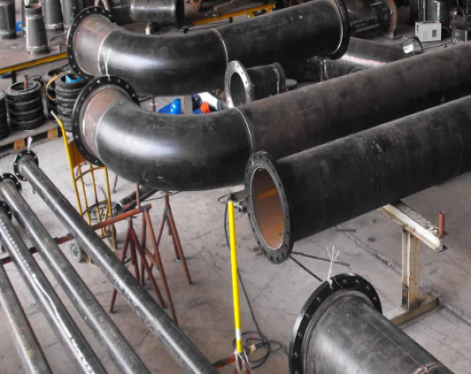
Choosing the right Mechanical Tube plays a critical role in product performance, structural safety, manufacturing efficiency, and long-term operating costs. Mechanical tubing appears in automotive parts, construction equipment, agricultural machinery, industrial frames, hydraulic systems, furniture, and precision engineering projects. However, many buyers focus only on price and overlook important technical factors such as material grade, dimensional tolerance, wall thickness, surface finish, and manufacturing method.
As industries continue to demand higher strength, tighter tolerances, and better corrosion resistance, selecting the proper mechanical tubing becomes even more important. Therefore, engineers, contractors, and procurement teams should understand how different mechanical tube specifications affect performance in real applications.
Pressure and Load: Construction machinery pipes require high yield strength and fatigue resistance to handle heavy and dynamic loads.
Temperature: Low-temperature environments require anti-brittle steel such as 09MnNiD, while high-temperature systems need heat-resistant steel like 12Cr1MoVG.
Corrosion: Marine and chemical environments require corrosion-resistant materials to prevent rapid rusting.
Seamless Tube: Made by piercing solid steel billets, without weld seams. It has extremely high pressure resistance and uniform texture, making it the first choice for manufacturing high-pressure hydraulic cylinders and heavy machinery spindles.
Resistance Welded Tube (ERW): Steel plates are rolled and welded together by resistance heating. It has high production efficiency and relatively low cost, and is widely used in building frames, general fluid transportation, and some non-load-bearing structural components.
Key sizing factors include:
Outside Diameter (OD)
Inside Diameter (ID)
Wall Thickness
Length Tolerance
For example, thicker walls increase strength but also increase weight and material costs. Therefore, buyers should balance structural requirements with budget efficiency.
As rational decision-makers, we should adhere to the principle of "choosing the most economical solution while meeting minimum performance requirements." For ordinary structural components hidden inside equipment and not bearing weight, cost-effective ordinary ERW welded pipes can be chosen; however, for the core hydraulic master cylinder, even at a higher cost, seamless pipes that have undergone flaw detection or high-precision DOM pipes must be used. Furthermore, custom-made pipes of special materials or large diameters often require longer production cycles, which also needs to be planned in advance of the project.
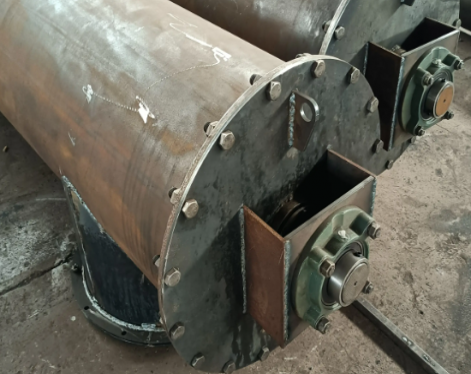
Mechanical tubing focuses on precision, dimensional accuracy, and machining performance, while structural tubing primarily supports loads in construction applications.
Which material is best for mechanical tubing?
Carbon steel works well for general industrial applications, while stainless steel offers superior corrosion resistance.
Why is DOM tubing popular?
DOM tubing provides better strength, smoother surfaces, and tighter tolerances compared to standard welded tubing.
How do I choose the correct wall thickness?
The required load capacity, pressure, and application environment determine the ideal wall thickness.
As industries continue to demand higher strength, tighter tolerances, and better corrosion resistance, selecting the proper mechanical tubing becomes even more important. Therefore, engineers, contractors, and procurement teams should understand how different mechanical tube specifications affect performance in real applications.
1. Define the Application and Operating Requirements
Before selecting pipe materials, first understand the working environment and performance requirements.Pressure and Load: Construction machinery pipes require high yield strength and fatigue resistance to handle heavy and dynamic loads.
Temperature: Low-temperature environments require anti-brittle steel such as 09MnNiD, while high-temperature systems need heat-resistant steel like 12Cr1MoVG.
Corrosion: Marine and chemical environments require corrosion-resistant materials to prevent rapid rusting.
2. Choose the Right Material
Different materials provide different levels of strength, toughness, and corrosion resistance.| Material | Features | Common Applications |
| Carbon Steel | Cost-effective and versatile | Mechanical structures, fluid transport |
| Low-Alloy Steel | Higher strength and fatigue resistance | Engineering machinery, automotive parts |
| Stainless Steel | Excellent corrosion resistance | Food processing, marine equipment |
| Aluminum & Copper | Lightweight or high thermal conductivity | Aerospace, refrigeration systems |
3. Understanding Different Manufacturing Processes
Even steel of the same material can have vastly different internal qualities and surface conditions depending on the processing technology. Currently, the mainstream manufacturing processes for mechanical tubing are mainly the following three:Seamless Tube: Made by piercing solid steel billets, without weld seams. It has extremely high pressure resistance and uniform texture, making it the first choice for manufacturing high-pressure hydraulic cylinders and heavy machinery spindles.
Resistance Welded Tube (ERW): Steel plates are rolled and welded together by resistance heating. It has high production efficiency and relatively low cost, and is widely used in building frames, general fluid transportation, and some non-load-bearing structural components.
4.Understand Tube Size and Wall Thickness
Tube dimensions significantly influence load capacity and performance.Key sizing factors include:
Outside Diameter (OD)
Inside Diameter (ID)
Wall Thickness
Length Tolerance
For example, thicker walls increase strength but also increase weight and material costs. Therefore, buyers should balance structural requirements with budget efficiency.
5.Comprehensive Consideration of Cost and Delivery Cycle
Finally, we must return to reality—budget and time. Theoretically, using the highest performance and precision pipes can always meet the requirements, but this inevitably leads to soaring costs and extended delivery times.As rational decision-makers, we should adhere to the principle of "choosing the most economical solution while meeting minimum performance requirements." For ordinary structural components hidden inside equipment and not bearing weight, cost-effective ordinary ERW welded pipes can be chosen; however, for the core hydraulic master cylinder, even at a higher cost, seamless pipes that have undergone flaw detection or high-precision DOM pipes must be used. Furthermore, custom-made pipes of special materials or large diameters often require longer production cycles, which also needs to be planned in advance of the project.
Mechanical Tube vs Pipe
Many buyers confuse mechanical tubing with standard steel pipe. However, they serve different purposes.| Feature | Mechanical Tube | Steel Pipe |
| Primary Use | Structural/mechanical | Fluid transport |
| Measurement | OD and wall thickness | Nominal Pipe Size |
| Tolerance | Tight | Standard |
| Surface Finish | Better | Basic |
| Precision | High | Moderate |
Frequently Asked Questions (FAQ)
What is the difference between mechanical tube and structural tube?Mechanical tubing focuses on precision, dimensional accuracy, and machining performance, while structural tubing primarily supports loads in construction applications.
Which material is best for mechanical tubing?
Carbon steel works well for general industrial applications, while stainless steel offers superior corrosion resistance.
Why is DOM tubing popular?
DOM tubing provides better strength, smoother surfaces, and tighter tolerances compared to standard welded tubing.
How do I choose the correct wall thickness?
The required load capacity, pressure, and application environment determine the ideal wall thickness.