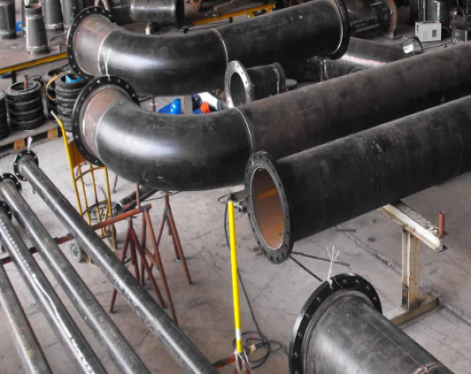
Stainless steel boiler tubes are metal pipes used in boiler systems to conduct heat and steam. Their main functions are to conduct heat, transport fluids, withstand steam pressure, and maintain long-term stable operation under high temperature and high pressure conditions. Compared with traditional carbon steel or alloy steel boiler tubes, stainless steel boiler tubes have significant advantages in corrosion resistance and high temperature resistance, making them an important component of modern industrial boilers and heat exchange systems.Stainless steel high-pressure boiler tubes are mainly manufactured in accordance with international standards, such as ASTM A213/ASME SA213 seamless high-pressure tubes, ASTM A269/A312 welded or seamless tubes, and the European standard EN 10216-5.
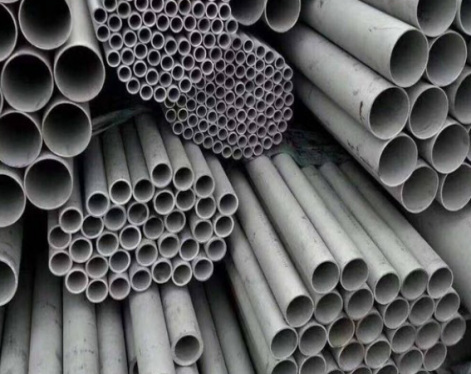
TP304H, TP316H, TP321H, TP347H, etc., are the most commonly used materials for high-pressure boiler tubes. Austenitic stainless steel has excellent high-temperature oxidation resistance, good high-temperature strength, and creep resistance, making it suitable for superheaters, reheaters, and other components operating at temperatures above 600℃. TP347H, containing niobium, has even better resistance to intergranular corrosion.
2. Ferritic Stainless Steel
Ferritic heat-resistant steels such as T91, T92, and T122, although with relatively low chromium content, possess excellent high-temperature strength and creep resistance through the addition of alloying elements such as molybdenum, vanadium, and niobium. They also have a low coefficient of thermal expansion and good thermal conductivity, making them suitable for superheater and reheater pipes in supercritical and ultra-supercritical boilers.
3. Duplex Stainless Steel
Duplex stainless steels such as 2205 and 2507 have both austenitic and ferritic phases, exhibiting high strength, excellent resistance to stress corrosion cracking and pitting corrosion, and are suitable for boiler components in certain special corrosive environments.
2. Can be welded, flanged, threaded, or grooved.
3. High temperature resistant, suitable for transporting hot water, boiling water, and steam.
4. Good low-temperature brittleness and low coefficient of expansion.
5. Smooth inner wall, low fluid flow resistance.
6. Good hygienic properties, suitable for transporting clean water.
7. Reliable corrosion protection with the outer coating.
What are stainless steel high-pressure boiler tubes?
Stainless steel high-pressure boiler tubes are steel pipes used to withstand high-pressure steam and high-temperature media inside boilers. They are characterized by corrosion resistance, oxidation resistance, high temperature resistance (up to 700–900℃), resistance to stress corrosion cracking, and long service life. They are widely used in special industrial boilers in chemical, marine, and pharmaceutical industries.
Stainless Steel high-pressure boiler Tube Material Classification and Characteristics
1. Austenitic Stainless SteelTP304H, TP316H, TP321H, TP347H, etc., are the most commonly used materials for high-pressure boiler tubes. Austenitic stainless steel has excellent high-temperature oxidation resistance, good high-temperature strength, and creep resistance, making it suitable for superheaters, reheaters, and other components operating at temperatures above 600℃. TP347H, containing niobium, has even better resistance to intergranular corrosion.
2. Ferritic Stainless Steel
Ferritic heat-resistant steels such as T91, T92, and T122, although with relatively low chromium content, possess excellent high-temperature strength and creep resistance through the addition of alloying elements such as molybdenum, vanadium, and niobium. They also have a low coefficient of thermal expansion and good thermal conductivity, making them suitable for superheater and reheater pipes in supercritical and ultra-supercritical boilers.
3. Duplex Stainless Steel
Duplex stainless steels such as 2205 and 2507 have both austenitic and ferritic phases, exhibiting high strength, excellent resistance to stress corrosion cracking and pitting corrosion, and are suitable for boiler components in certain special corrosive environments.
| Grade | Standard | Service Temperature | Key Features | Typical Applications |
| 304H | ASTM A213 | ≤650°C | Austenitic stainless steel, good high-temperature strength | Superheaters, reheaters |
| 316H | ASTM A213 | ≤700°C | Contains nickel, better corrosion resistance | Corrosive media environments |
| 321H | ASTM A213 | ≤750°C | Contains titanium, intergranular corrosion resistant | High-temperature oxidation environments |
| 347H | ASTM A213 | ≤800°C | Contains niobium, high high-temperature creep strength | Supercritical boilers |
| T91/P91 | ASTM A213 | ≤650°C | Martensitic heat-resistant steel, high strength | Main steam pipelines |
Features of stainless steel high-pressure boiler tubes:
1. No scaling or nodules, corrosion resistant, and resistant to weak acid corrosion.2. Can be welded, flanged, threaded, or grooved.
3. High temperature resistant, suitable for transporting hot water, boiling water, and steam.
4. Good low-temperature brittleness and low coefficient of expansion.
5. Smooth inner wall, low fluid flow resistance.
6. Good hygienic properties, suitable for transporting clean water.
7. Reliable corrosion protection with the outer coating.