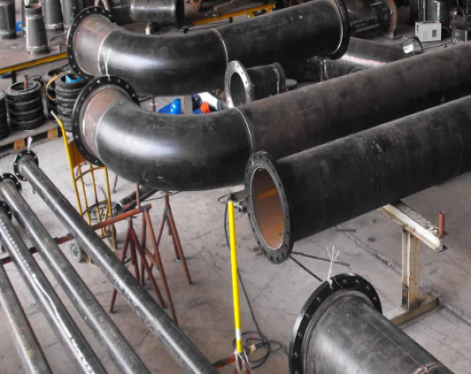
Pipe spools play a critical role in modern industrial piping systems.From oil and gas to power plants, prefabricated pipe spools improve efficiency, reduce installation time, and ensure consistent quality.This guide explains what pipe spools are, how they are fabricated, and how they are installed in real-world projects.
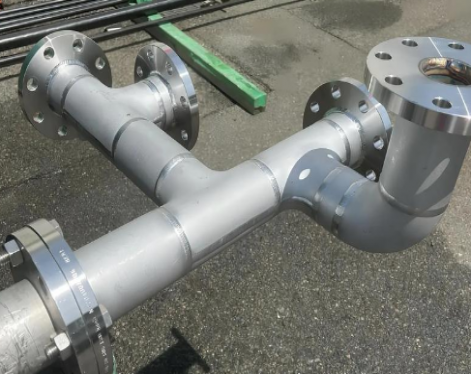
a. Material Preparation
Pipes and fittings are inspected, cut, beveled, and cleaned to meet project specifications and material standards such as ASME, ASTM, or API.
b. Fit-Up and Alignment
The components are positioned using fixtures and fit-up tools to match the drawing dimensions. Proper alignment ensures weld quality and prevents stress during installation.
c. Welding
Certified welders perform welding using approved procedures (WPS/PQR). Common welding methods include GTAW/TIG, SMAW, GMAW/MIG, and FCAW. Each weld undergoes visual inspection and may require additional NDT such as UT, RT, or PT.
d. Quality Inspection
Fabricated spools must pass dimensional checks, pressure tests, and surface inspections. These tests confirm that the spool meets the requirements for pressure rating, temperature tolerance, and structural integrity.
e. Surface Treatment and Marking
Depending on the application, spools may be painted, galvanized, insulated, or pickled & passivated. Each spool is then tagged with identification numbers for easy tracking during installation.
a. Site Preparation
Supports, hangers, and structural elements must be inspected to ensure correct elevation and alignment.
b. Assembly and Positioning
Spools are lifted into place using hoists or cranes. Installers align the centerlines, flanges, and fittings precisely according to the drawings.
c. On-Site Welding or Bolting
While most joints are preassembled, some require on-site welding or flange bolting. Installers must ensure proper torque, gasket placement, and weld consistency.
d. System Testing and Commissioning
After assembly:
Pressure testing verifies leak-tightness
Visual and NDT inspections confirm weld quality
Insulation and painting are applied as required
Proper commissioning ensures that the piping system is ready for safe and reliable operation.
You should also pay attention to handling and assembly details. Protect flanges and pipe ends during lifting to prevent damage. When connecting spools, use the correct bolt tightening method and ensure gaskets are properly placed. Keep the inside of the pipes clean, and always perform pressure or leak testing before putting the system into operation. Small mistakes during installation can lead to bigger problems during use.
Verify site conditions before installation
Ensure accurate alignment and avoid forced connections
Protect pipe spools during lifting and handling
Follow correct bolting and torque procedures
Maintain welding quality for field joints
Keep internal cleanliness to prevent contamination
Perform pressure and leak testing before commissioning
By following proper procedures and best practices, project teams can reduce risks, improve efficiency, and ensure long-term operation.
What Are Pipe Spools ?
Pipe spools are prefabricated sections of a piping system made in controlled workshop environments. They generally include pipes, fittings, flanges, valves, and other components assembled according to engineering drawings and project specifications. These prefabricated units are produced to exact dimensions so they can be quickly and accurately installed on site.
Pipe Spool Fabrication Process
Pipe spool fabrication transforms engineering drawings into physical components ready for installation. The typical fabrication workflow includes:a. Material Preparation
Pipes and fittings are inspected, cut, beveled, and cleaned to meet project specifications and material standards such as ASME, ASTM, or API.
b. Fit-Up and Alignment
The components are positioned using fixtures and fit-up tools to match the drawing dimensions. Proper alignment ensures weld quality and prevents stress during installation.
c. Welding
Certified welders perform welding using approved procedures (WPS/PQR). Common welding methods include GTAW/TIG, SMAW, GMAW/MIG, and FCAW. Each weld undergoes visual inspection and may require additional NDT such as UT, RT, or PT.
d. Quality Inspection
Fabricated spools must pass dimensional checks, pressure tests, and surface inspections. These tests confirm that the spool meets the requirements for pressure rating, temperature tolerance, and structural integrity.
e. Surface Treatment and Marking
Depending on the application, spools may be painted, galvanized, insulated, or pickled & passivated. Each spool is then tagged with identification numbers for easy tracking during installation.
Pipe Spool Installation
Once fabrication is complete, the spools are transported to the jobsite for installation. The installation process includes:a. Site Preparation
Supports, hangers, and structural elements must be inspected to ensure correct elevation and alignment.
b. Assembly and Positioning
Spools are lifted into place using hoists or cranes. Installers align the centerlines, flanges, and fittings precisely according to the drawings.
c. On-Site Welding or Bolting
While most joints are preassembled, some require on-site welding or flange bolting. Installers must ensure proper torque, gasket placement, and weld consistency.
d. System Testing and Commissioning
After assembly:
Pressure testing verifies leak-tightness
Visual and NDT inspections confirm weld quality
Insulation and painting are applied as required
Proper commissioning ensures that the piping system is ready for safe and reliable operation.
What Should You Know Before Installing Pipe Spools?
Before installing pipe spools, it’s important to make sure everything on site is ready and matches the design drawings. Check that supports, elevations, and connection points are in the correct position. Pipe spools are prefabricated to precise dimensions, so forcing them into place can cause stress, misalignment, or leaks later. Careful planning and proper positioning help avoid rework and keep the installation smooth.You should also pay attention to handling and assembly details. Protect flanges and pipe ends during lifting to prevent damage. When connecting spools, use the correct bolt tightening method and ensure gaskets are properly placed. Keep the inside of the pipes clean, and always perform pressure or leak testing before putting the system into operation. Small mistakes during installation can lead to bigger problems during use.
Pipe Spool Installation Notes and Precautions
Proper installation ensures long-term reliability and safety. Key points include:Verify site conditions before installation
Ensure accurate alignment and avoid forced connections
Protect pipe spools during lifting and handling
Follow correct bolting and torque procedures
Maintain welding quality for field joints
Keep internal cleanliness to prevent contamination
Perform pressure and leak testing before commissioning
Conclusion
Pipe spool fabrication and installation are essential for efficient and reliable piping systems. From precise workshop fabrication to careful on-site installation, every step impacts the final performance of the system.By following proper procedures and best practices, project teams can reduce risks, improve efficiency, and ensure long-term operation.