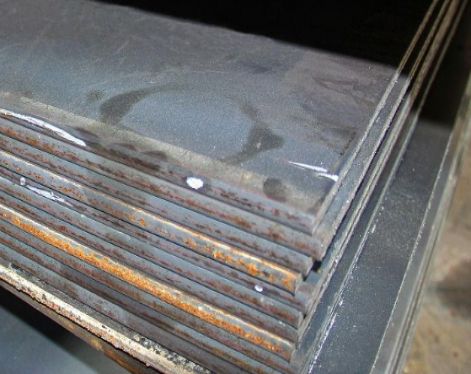
ASTM A36 carbon steel plate is a low-carbon structural steel plate defined by the ASTM International under the ASTM A36/A36M specification. It is one of the most widely used structural steels in construction, fabrication, and industrial manufacturing due to its good weldability, machinability, and cost-effectiveness.
A36 is categorized as a mild carbon steel, typically containing about 0.25–0.29% carbon, making it suitable for general structural applications where high strength and excellent forming properties are required.
ASTM A36 Standard
ASTM A36 is a general-purpose carbon structural steel standard developed by the American Society for Testing and Materials (ASTM). As one of the most widely used steels globally, it has become a "universal sheet metal" in modern industry due to its excellent overall performance and high cost-effectiveness. The ASTM A36 standard dates back to the 1960s, aiming to standardize the mechanical properties of ordinary carbon structural steel. This standard has undergone several revisions (the latest version is ASTM A36/A36M-21), consistently maintaining stringent requirements for basic properties. Its core characteristics are reflected in three aspects: low carbon content (≤0.29%), moderate strength (yield strength ≥250MPa), and excellent ductility (elongation after fracture ≥20%). This compositional design prevents the formation of hardened structures during welding while maintaining sufficient load-bearing capacity.Chemical Composition of ASTM A36
The chemical composition of A36 steel ensures balanced mechanical performance and weldability.| Element | Typical Content (%) |
| Carbon (C) | ≤ 0.29 |
| Manganese (Mn) | 0.80–1.20 |
| Phosphorus (P) | ≤ 0.040 |
| Sulfur (S) | ≤ 0.050 |
| Silicon (Si) | ≤ 0.40 |
Mechanical Properties
ASTM A36 carbon steel plate is known for its reliable structural performance.
| Property | Value |
| Yield Strength | ≥ 36 ksi (250 MPa) |
| Tensile Strength | 58–80 ksi (400–550 MPa) |
| Elongation (200 mm) | ≥ 20% |
| Modulus of Elasticity | 200 GPa |
Applications of ASTM A36 Carbon Steel Plate
Low-carbon steel is widely used. Typical applications include general hardware tools, cookware, medical devices, machinery, construction, and infrastructure.1. Construction and Infrastructure
Low-carbon steel provides excellent tensile strength for building frames in construction projects. It meets earthquake and wind resistance requirements, is not susceptible to insect damage, and possesses corrosion resistance and flame retardancy, making it ideal for building applications.
2. Machinery
The high strength, ductility, and hardness of low-carbon steel make it a preferred material for manufacturing machine parts. Due to its low carbon content, this steel can be machined, cut, pressed, and shaped without breaking.
3. Cookware
Due to its very low carbon content, low-carbon steel does not rust, keeping cookware clean and sharp for extended periods. It is more heat-resistant than other materials, can be used as a non-stick material, and is healthier than aluminum cookware.
4. Piping
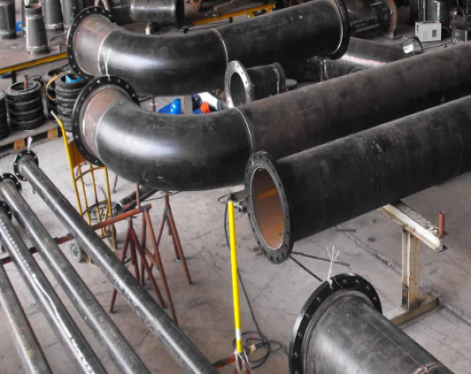
Because of its excellent ductility, low-carbon steel is highly popular for manufacturing various pipes and utility poles. Low-carbon steel is a food-safe material, making it ideal for transporting water, beverages, and natural gas in steel pipes. Furthermore, due to its low carbon content, pipes used outdoors will not rust in harsh environments or cold weather. Compared to plastic pipes, low-carbon steel pipes are more environmentally friendly and have a longer lifespan. They can also be cut into rectangular shapes.