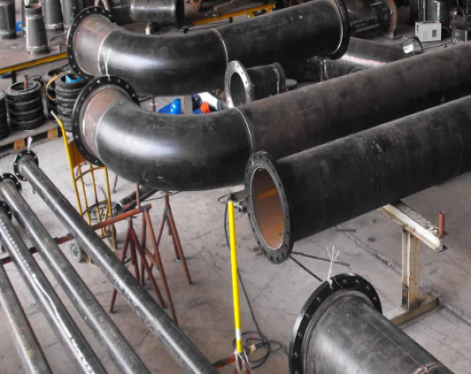
The production of HDG Pipe involves a process in which steel pipes are immersed in molten zinc to undergo a metallurgical reaction. The core process flow consists of the following stages: Pre-treatment (degreasing, pickling, rinsing, fluxing, and drying) -> Hot-dip galvanizing (at approximately 450°C) -> External and internal blowing (to remove excess molten zinc) -> Cooling -> Passivation -> Inspection. This process results in the formation of a dense zinc-iron alloy layer on the surface of the steel pipe, characterized by strong corrosion resistance and a long service life.
The primary raw materials for hot-dip galvanized steel pipes are steel pipes and zinc. The steel pipes are typically composed of materials such as carbon steel or alloy steel; their parameters—including diameter and wall thickness—are determined based on specific application requirements. Zinc is generally utilized in the form of zinc ingots or zinc powder, requiring a high level of purity—typically exceeding 99.995%.
2. Steel Pipe Surface Treatment
Surface treatment of the steel pipes is a critical step in the production process of hot-dip galvanized steel pipes. The objective is to remove impurities—such as oil stains and rust—from the pipe surface to facilitate the subsequent galvanizing process. Common surface treatment methods include acid pickling, sandblasting, and mechanical polishing. Among these, acid pickling is the most widely used method. Its underlying principle involves utilizing an acidic solution to chemically etch the steel pipe surface, thereby removing oxides, rust, and other impurities to render the surface smooth and clean.
3. Preheating
Prior to undergoing the hot-dip galvanizing treatment, the steel pipes must be preheated. The purpose of preheating is to raise the surface temperature of the steel pipes to a specific level, thereby facilitating the subsequent galvanizing process. The preheating temperature typically ranges around 450°C, with a duration of approximately 10 to 15 minutes.
4. Galvanizing Treatment
The hot-dip galvanizing treatment constitutes the core step in the production process of hot-dip galvanized steel pipes. The principle involves immersing the preheated steel pipes into a bath of molten zinc, allowing the molten zinc to form a protective coating on the pipe surface. The thickness of the zinc coating typically ranges from 5 to 25 μm and can be adjusted to meet varying application requirements. While both hot-dip galvanizing and electro-galvanizing methods exist, hot-dip galvanizing is the most commonly employed technique. The advantages of hot-dip galvanizing include uniform coating thickness and superior corrosion resistance, though it entails higher costs; conversely, electro-galvanizing offers lower costs and adjustable coating thickness, but provides slightly inferior corrosion resistance.
5. Cooling Treatment
Following the galvanizing process, the steel pipes require cooling. The objective is to rapidly solidify the zinc coating on the pipe surface, thereby preventing the zinc layer from sagging or detaching. Cooling is typically achieved through one of two methods: natural air cooling or water quenching. Natural cooling is a slower process but involves lower costs, whereas water quenching is faster but entails higher costs.
6. Quality Inspection
Throughout the production process, rigorous quality inspections are conducted on the hot-dip galvanized steel pipes. Common inspection items include visual quality, dimensional accuracy, zinc coating thickness, and corrosion resistance. Only steel pipes that successfully pass these inspections proceed to packaging, transportation, and other subsequent processing stages.
In summary, the production process for hot-dip galvanized steel pipes comprises steps such as raw material preparation, surface treatment of the steel pipes, preheating, galvanizing, cooling, and quality inspection. Each of these steps requires rigorous control to ensure the production of high-quality hot-dip galvanized steel pipes.
A: Depending on environmental conditions, HDG coatings can last from 20 to 50+ years.
Q2: Can HDG steel be painted?
A: Yes. HDG steel can be painted after proper surface preparation for additional aesthetics or color coding.
Q3: What thickness is typical for HDG coatings?
A: Standard coatings range from 50–100 microns, with thicker layers for highly corrosive environments.
Q4: Is HDG environmentally friendly?
A: Absolutely. Zinc is recyclable, and the process does not produce toxic byproducts.
Q5: What materials can be galvanized?
A: Primarily steel and iron. Certain low-alloy steels are ideal due to metallurgical compatibility with zinc.
What is HDG Pipe?
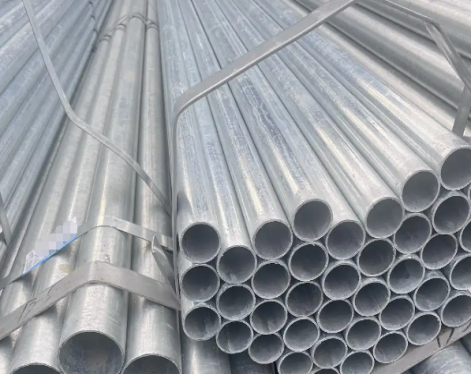
A Hot-dip Galvanized (HDG) pipe is a corrosion-resistant steel pipe produced by immersing a steel pipe into a bath of molten zinc (at a temperature of approximately ~°C). This process triggers a physicochemical reaction between the steel substrate and the molten zinc, resulting in the formation of a dense, robust zinc-iron alloy layer. It boasts significant advantages—including a thick coating (on average), strong adhesion, excellent corrosion resistance, and a long service life (ranging from 20 to 50 years)—and is widely utilized in construction for water transport, gas pipelines, and applications within harsh outdoor environments.What Is the Hot Dip Galvanizing (HDG) Process?
1. Raw Material PreparationThe primary raw materials for hot-dip galvanized steel pipes are steel pipes and zinc. The steel pipes are typically composed of materials such as carbon steel or alloy steel; their parameters—including diameter and wall thickness—are determined based on specific application requirements. Zinc is generally utilized in the form of zinc ingots or zinc powder, requiring a high level of purity—typically exceeding 99.995%.
2. Steel Pipe Surface Treatment
Surface treatment of the steel pipes is a critical step in the production process of hot-dip galvanized steel pipes. The objective is to remove impurities—such as oil stains and rust—from the pipe surface to facilitate the subsequent galvanizing process. Common surface treatment methods include acid pickling, sandblasting, and mechanical polishing. Among these, acid pickling is the most widely used method. Its underlying principle involves utilizing an acidic solution to chemically etch the steel pipe surface, thereby removing oxides, rust, and other impurities to render the surface smooth and clean.
3. Preheating
Prior to undergoing the hot-dip galvanizing treatment, the steel pipes must be preheated. The purpose of preheating is to raise the surface temperature of the steel pipes to a specific level, thereby facilitating the subsequent galvanizing process. The preheating temperature typically ranges around 450°C, with a duration of approximately 10 to 15 minutes.
4. Galvanizing Treatment
The hot-dip galvanizing treatment constitutes the core step in the production process of hot-dip galvanized steel pipes. The principle involves immersing the preheated steel pipes into a bath of molten zinc, allowing the molten zinc to form a protective coating on the pipe surface. The thickness of the zinc coating typically ranges from 5 to 25 μm and can be adjusted to meet varying application requirements. While both hot-dip galvanizing and electro-galvanizing methods exist, hot-dip galvanizing is the most commonly employed technique. The advantages of hot-dip galvanizing include uniform coating thickness and superior corrosion resistance, though it entails higher costs; conversely, electro-galvanizing offers lower costs and adjustable coating thickness, but provides slightly inferior corrosion resistance.
5. Cooling Treatment
Following the galvanizing process, the steel pipes require cooling. The objective is to rapidly solidify the zinc coating on the pipe surface, thereby preventing the zinc layer from sagging or detaching. Cooling is typically achieved through one of two methods: natural air cooling or water quenching. Natural cooling is a slower process but involves lower costs, whereas water quenching is faster but entails higher costs.
6. Quality Inspection
Throughout the production process, rigorous quality inspections are conducted on the hot-dip galvanized steel pipes. Common inspection items include visual quality, dimensional accuracy, zinc coating thickness, and corrosion resistance. Only steel pipes that successfully pass these inspections proceed to packaging, transportation, and other subsequent processing stages.
In summary, the production process for hot-dip galvanized steel pipes comprises steps such as raw material preparation, surface treatment of the steel pipes, preheating, galvanizing, cooling, and quality inspection. Each of these steps requires rigorous control to ensure the production of high-quality hot-dip galvanized steel pipes.
Frequently Asked Questions (FAQ)
Q1: How long does HDG protection last?A: Depending on environmental conditions, HDG coatings can last from 20 to 50+ years.
Q2: Can HDG steel be painted?
A: Yes. HDG steel can be painted after proper surface preparation for additional aesthetics or color coding.
Q3: What thickness is typical for HDG coatings?
A: Standard coatings range from 50–100 microns, with thicker layers for highly corrosive environments.
Q4: Is HDG environmentally friendly?
A: Absolutely. Zinc is recyclable, and the process does not produce toxic byproducts.
Q5: What materials can be galvanized?
A: Primarily steel and iron. Certain low-alloy steels are ideal due to metallurgical compatibility with zinc.