While stainless steel products possess various inherent properties that enable them to perform exceptionally well, they still require a certain level of maintenance to ensure optimal long-term utility. Take stainless steel angle steels—such as the 316 grade—for instance: although they boast excellent resistance to both corrosion and high temperatures, neglecting them—or failing to exercise proper care during use and maintenance—can still lead to rusting and damage. Therefore, mastering the proper techniques for maintaining stainless steel products is absolutely essential.
How to Maintain Stainless Steel Angle Steel
Stainless steel angle steel is a common metal material characterized by its corrosion resistance, oxidation resistance, and aesthetic appeal; it is widely utilized in fields such as construction, chemical engineering, and machinery. To keep stainless steel angle steel in excellent condition and extend its service life, the following suggestions are provided for your reference.
1. Proper Cleaning
When cleaning stainless steel angle steel, use mild cleaning agents; avoid using cleaners containing acidic or alkaline components, as these may damage the surface of the steel. Wipe the surface with a soft cloth or sponge, and refrain from using brushes or abrasive materials to prevent scratching. After cleaning, rinse thoroughly with clean water and wipe the surface dry.2. Avoid Contact with Chemical Substances
During use, stainless steel angle steel should be kept away from chemical substances, particularly solutions containing chloride ions. Chloride ions can cause corrosion in stainless steel, leading to the appearance of rust spots on the surface. If the surface of the stainless steel angle steel becomes contaminated with chemical substances, it should be rinsed immediately with clean water.
3. Regular Maintenance
Regular maintenance is key to preserving both the appearance and performance of stainless steel angle steel. Specialized stainless steel care products can be used for maintenance; ensure that you follow the product instructions for proper application. These care products form a protective film that shields the stainless steel surface from contamination and corrosion. Periodically inspect the stainless steel angle steel for any signs of damage or corrosion; if any issues are detected, repair or replace the material promptly.4. Avoid Impact from Heavy Objects
During use, stainless steel angle steel should be protected from impacts or friction involving heavy objects to prevent surface scratches or deformation. When handling or installing the material, appropriate protective measures should be implemented to safeguard the stainless steel angle steel against damage.Suggested Maintenance Schedule for 316 Stainless Steel Angle Bar
| Maintenance Item | Recommended Frequency | Operation Details |
| Surface Cleaning | Once per month | Wipe with a soft cloth and neutral cleaner; avoid hard objects scratching the surface |
| Overall Inspection | Once per quarter | Check connection points, weld seams, and areas prone to water accumulation; inspect for cracks or corrosion |
| Anti-corrosion Treatment | As needed | Repair any damage or corrosion promptly; apply anti-corrosion coating if necessary |
| Professional Maintenance | Once per year | Consider professional treatments such as passivation or electrolytic polishing |
| Storage Inspection | Periodic (for long-term storage) | Check whether moisture-proof measures are effective and inspect for any surface abnormalities |
How to Prevent Angle Steel from Rusting
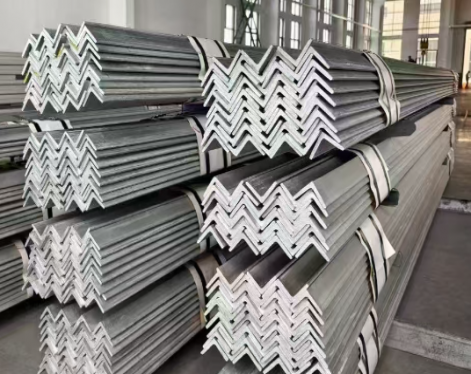
1.Surface Treatment Anti-rust paint: Forms a protective barrier to prevent corrosion. Options include physical anti-rust paints (e.g., iron red, aluminum powder) and chemical anti-rust paints (e.g., red lead, zinc yellow). Galvanization: Applying a zinc coating (hot-dip or cold-dip galvanization) offers sacrificial protection, as zinc corrodes before the underlying steel.2.Regular Cleaning Dust, dirt, and pollutants can accelerate rusting. Regularly wipe the surface with a mild detergent and soft cloth to remove contaminants, especially in industrial areas with heavy pollution.
3.Moisture and Humidity Control Store angle steel in dry, well-ventilated areas. If stored outdoors, use covers to prevent direct exposure to rain. In high-humidity regions, consider applying moisture-proof agents.
FAQ
1. Does stainless steel angle bar rust easily?No, but it can rust if exposed to harsh conditions without proper maintenance.
2. How often should stainless steel be cleaned?
Every 2–3 months indoors, and more frequently in outdoor or coastal environments.
3. Is 316 better than 304 for angle steels?
Yes, 316 offers better corrosion resistance, especially in marine or chemical environments.
4. Can stainless steel be used outdoors?
Yes, but it requires regular cleaning and proper grade selection.