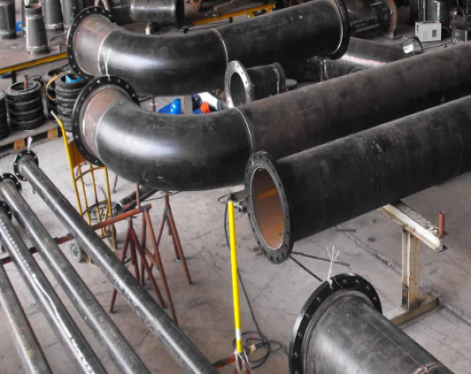
Stainless steel structural pipes are hollow, long tubes made of stainless steel. Due to their excellent corrosion resistance, high strength, high temperature resistance, and aesthetically pleasing surface, they are widely used in modern engineering construction, industrial manufacturing, infrastructure, and many other fields. Stainless steel pipes not only serve as conduits for transporting fluids but also as load-bearing structures and functional components, playing a vital role in engineering projects.
Strong corrosion resistance: Performs excellently in atmospheric, humid, and marine environments.
High mechanical strength: Can withstand high pressure and loads.
Good high temperature resistance and oxidation resistance: Suitable for heat exchange and high-temperature conditions.
Aesthetically pleasing and easy to maintain: Smooth surface for easy cleaning and good stain resistance.
Based on their main industrial applications, stainless steel structural pipes are divided into two main categories: stainless acid-resistant steel structural pipes and heat-resistant, non-scaling steel structural pipes. A. Stainless and acid-resistant steel structural pipes are further divided into stainless steel and acid-resistant steel. Steel that resists corrosion in air is called stainless steel structural pipe; steel that resists corrosion in various highly corrosive media is called acid-resistant steel. Stainless steel is not necessarily resistant to acid corrosion, but acid-resistant steel has excellent stainless properties.
In addition to the five major elements (C, Si, Mn, P, S), this type of structural pipe mainly contains chromium and nickel alloying elements. Examples include chromium steel (Cr13 type) and chromium-nickel steel (18-8 type); there are also steels based on chromium-nickel steel that contain one or more elements such as molybdenum, niobium, titanium, and nitrogen.
Round, plate, strip, wire, and tube forms manufactured from this type of structural pipe are widely used in chemical equipment, medical devices, food industry equipment, as well as household kitchenware and decoration in hotels and restaurants.
B. Heat-resistant and non-scaling steel is also divided into heat-resistant and non-scaling steel. Steel that resists media erosion at high temperatures without scaling is called non-scaling steel; structural pipes that resist media erosion at high temperatures and have sufficient strength without scaling are called heat-resistant steel structural pipes.
In addition to chromium and nickel, found in stainless acid-resistant steel, these structural pipes also contain one or more alloying elements such as aluminum (Al), tungsten (W), cobalt (Co), and vanadium (V). The resulting round, plate, strip, and pipe forms are widely used in petrochemical equipment, power plant boilers, gas turbines, industrial heating furnace components, and components operating at high temperatures.
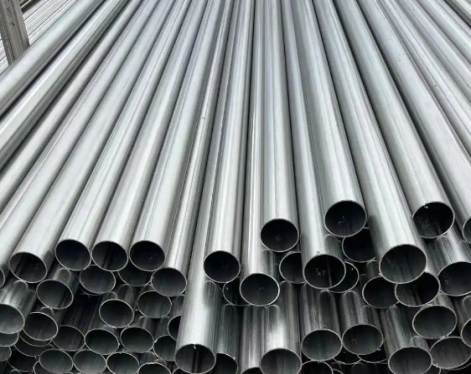
2. Industrial Equipment and Piping Systems: Widely used in structural support and media transportation in petrochemical, power, and machinery manufacturing industries.
3. Water Supply, Drainage, and Fire Protection Systems: Used for building water supply, drainage, and fire sprinkler systems, offering corrosion resistance, long service life, and high safety.
4. Food and Pharmaceutical Industries: Meets hygiene standards and is suitable for food processing, pharmaceutical equipment, and cleanroom piping systems.
5. Transportation and Machinery Manufacturing: Used in automotive exhaust systems, mechanical supports, and rail transit structural components.
6. Marine and Special Environmental Engineering: Exhibits excellent durability in marine engineering, coastal construction, and highly corrosive environments.
Materials and Characteristics of Stainless Steel Structural Pipes
Stainless steel structural pipes are typically manufactured using austenitic stainless steel (such as 304 and 316) and duplex stainless steel, possessing the following core characteristics:Strong corrosion resistance: Performs excellently in atmospheric, humid, and marine environments.
High mechanical strength: Can withstand high pressure and loads.
Good high temperature resistance and oxidation resistance: Suitable for heat exchange and high-temperature conditions.
Aesthetically pleasing and easy to maintain: Smooth surface for easy cleaning and good stain resistance.
What are the main applications of stainless steel structural pipes?
These characteristics make stainless steel structural pipes an irreplaceable material choice in many engineering designs.Based on their main industrial applications, stainless steel structural pipes are divided into two main categories: stainless acid-resistant steel structural pipes and heat-resistant, non-scaling steel structural pipes. A. Stainless and acid-resistant steel structural pipes are further divided into stainless steel and acid-resistant steel. Steel that resists corrosion in air is called stainless steel structural pipe; steel that resists corrosion in various highly corrosive media is called acid-resistant steel. Stainless steel is not necessarily resistant to acid corrosion, but acid-resistant steel has excellent stainless properties.
In addition to the five major elements (C, Si, Mn, P, S), this type of structural pipe mainly contains chromium and nickel alloying elements. Examples include chromium steel (Cr13 type) and chromium-nickel steel (18-8 type); there are also steels based on chromium-nickel steel that contain one or more elements such as molybdenum, niobium, titanium, and nitrogen.
Round, plate, strip, wire, and tube forms manufactured from this type of structural pipe are widely used in chemical equipment, medical devices, food industry equipment, as well as household kitchenware and decoration in hotels and restaurants.
B. Heat-resistant and non-scaling steel is also divided into heat-resistant and non-scaling steel. Steel that resists media erosion at high temperatures without scaling is called non-scaling steel; structural pipes that resist media erosion at high temperatures and have sufficient strength without scaling are called heat-resistant steel structural pipes.
In addition to chromium and nickel, found in stainless acid-resistant steel, these structural pipes also contain one or more alloying elements such as aluminum (Al), tungsten (W), cobalt (Co), and vanadium (V). The resulting round, plate, strip, and pipe forms are widely used in petrochemical equipment, power plant boilers, gas turbines, industrial heating furnace components, and components operating at high temperatures.
Besides these applications, they also serve the following purposes:
1. Building Structures and Decoration: Used for building frames, columns, curtain wall supports, stair handrails, and railings, balancing load-bearing capacity and aesthetics.2. Industrial Equipment and Piping Systems: Widely used in structural support and media transportation in petrochemical, power, and machinery manufacturing industries.
3. Water Supply, Drainage, and Fire Protection Systems: Used for building water supply, drainage, and fire sprinkler systems, offering corrosion resistance, long service life, and high safety.
4. Food and Pharmaceutical Industries: Meets hygiene standards and is suitable for food processing, pharmaceutical equipment, and cleanroom piping systems.
5. Transportation and Machinery Manufacturing: Used in automotive exhaust systems, mechanical supports, and rail transit structural components.
6. Marine and Special Environmental Engineering: Exhibits excellent durability in marine engineering, coastal construction, and highly corrosive environments.