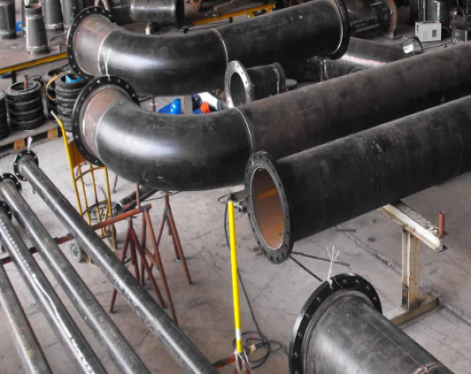
In heavy industries such as oil, gas, chemicals, and power, piping systems and spools are considered the "blood vessels" of the entire project. Their quality directly affects the safety, stability, and operational efficiency of the system. However, faced with a dazzling array of suppliers in the market, how to sift through the fog and select a truly reliable partner is a challenge for many purchasers and project managers.
Choosing the right supplier not only means buying qualified products, but also purchasing "insurance" for the smooth progress of the entire project. This article will provide a practical guide to selecting reliable piping and spool suppliers from five core dimensions.
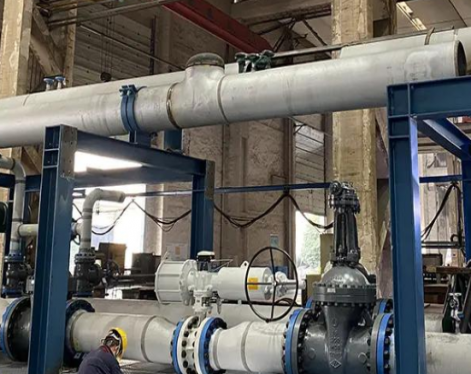
Welding quality must follow approved WPS and PQR documents. All welders should be certified under ASME standards. This ensures consistency and structural integrity.
Non-destructive testing is also essential. RT, UT, and PT inspections are commonly used to detect internal and surface defects in welds.
Dimensional accuracy is another key factor. Even small deviations can cause installation misalignment on site, leading to costly rework.
Material traceability must be fully maintained. Each component should be linked to a heat number and supported by Mill Test Certificates.
Similar Project Experience: Different industries have vastly different requirements for piping systems. For deep-sea drilling platform projects, look for suppliers with experience in offshore platform manifolds; for food and pharmaceutical plants, prioritize their experience in processing sanitary fittings. Directly request the supplier to provide a performance record of similar projects for the past two to three years (preferably with contracts or acceptance certificates).
Customer Feedback and Reputation: Gather information about the supplier's reputation within the industry through friends or partners. Pay close attention to any major quality incidents in past projects and their handling of unexpected problems.
A reliable supplier applies strict inspection at every stage.
Key quality control steps include:
Weld inspection (NDT testing)
Hydrostatic pressure testing
Material test certificates (MTC)
Full traceability of raw materials
These steps reduce risks and improve reliability.
Before shipment, they must provide complete documentation:
Material certificates (MTC)
Welding records
NDT reports
Inspection reports
A piping spool is a prefabricated section of piping assembled in a workshop.
Why is prefabrication important in piping systems?
It reduces installation time and improves construction accuracy on site.
Which standards are important for piping suppliers?
Common standards include ASME, ASTM, and API specifications.
How do I verify supplier quality?
You can check certifications, inspection reports, and project references.
Choosing the right supplier not only means buying qualified products, but also purchasing "insurance" for the smooth progress of the entire project. This article will provide a practical guide to selecting reliable piping and spool suppliers from five core dimensions.
Why a Reliable Piping System and Spools Supplier Matters?
A reliable supplier ensures consistent quality, safety compliance, and on-time delivery.It also supports engineering accuracy from fabrication to installation.In industries such as oil and gas, power generation, and chemical plants, small mistakes lead to major losses.Therefore, supplier selection plays a strategic role in project execution.
How to Choose a Reliable Supplier for Piping System and Spools?
1.Engineering Standards and Certification
A qualified supplier must comply with international engineering codes. These standards ensure safety, consistency, and material reliability in piping fabrication.Common standards include ASME B31.3 for process piping and ASME Section IX for welding qualification. API standards are also widely required in oil and gas projects.| Category | Standard | Function |
| Quality System | ISO 9001 | Quality management control |
| Oil & Gas | API Q1 | Industry quality system |
| Welding | ASME IX | Welding qualification |
| Material | ASTM / API 5L | Material compliance |
| Safety | ISO 45001 | Workplace safety |
2.Fabrication Capability and Quality Control
Fabrication capability is the core factor in uating a piping spool supplier. Spools are custom-made products that require precise welding and strict dimensional control.Welding quality must follow approved WPS and PQR documents. All welders should be certified under ASME standards. This ensures consistency and structural integrity.
Non-destructive testing is also essential. RT, UT, and PT inspections are commonly used to detect internal and surface defects in welds.
Dimensional accuracy is another key factor. Even small deviations can cause installation misalignment on site, leading to costly rework.
Material traceability must be fully maintained. Each component should be linked to a heat number and supported by Mill Test Certificates.
3.Experience Endorsement: Industry Reputation and Performance in Similar Projects
"Practice is the sole criterion for testing truth," and this applies equally when selecting suppliers.Similar Project Experience: Different industries have vastly different requirements for piping systems. For deep-sea drilling platform projects, look for suppliers with experience in offshore platform manifolds; for food and pharmaceutical plants, prioritize their experience in processing sanitary fittings. Directly request the supplier to provide a performance record of similar projects for the past two to three years (preferably with contracts or acceptance certificates).
Customer Feedback and Reputation: Gather information about the supplier's reputation within the industry through friends or partners. Pay close attention to any major quality incidents in past projects and their handling of unexpected problems.
4.Quality Control and Traceability
Strong quality control ensures safe and durable piping systems.A reliable supplier applies strict inspection at every stage.
Key quality control steps include:
Weld inspection (NDT testing)
Hydrostatic pressure testing
Material test certificates (MTC)
Full traceability of raw materials
These steps reduce risks and improve reliability.
5.Engineering Support and Documentation
Strong suppliers provide engineering support during the design stage, including review of drawings and fabrication optimization.Before shipment, they must provide complete documentation:
Material certificates (MTC)
Welding records
NDT reports
Inspection reports
6. Cost vs Risk
Low price does not always mean good value.Poor-quality suppliers may reduce material or welding standards, increasing long-term maintenance and safety risks.EPC projects should uate Total Cost of Ownership (TCO) instead of only unit price.FAQ – Frequently Asked Questions
What is a piping spool?A piping spool is a prefabricated section of piping assembled in a workshop.
Why is prefabrication important in piping systems?
It reduces installation time and improves construction accuracy on site.
Which standards are important for piping suppliers?
Common standards include ASME, ASTM, and API specifications.
How do I verify supplier quality?
You can check certifications, inspection reports, and project references.