FOLLOW US

News
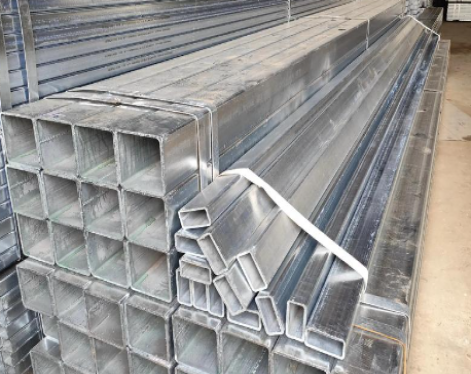
Galvanized square tubing is widely used in construction, fencing, structural fabrication, agricultural equipment, and outdoor engineering because of its excellent corrosion resistance and long service life. However, choosing the right specification and using it correctly are critical to ensuring durability, safety, and cost efficiency.
Read more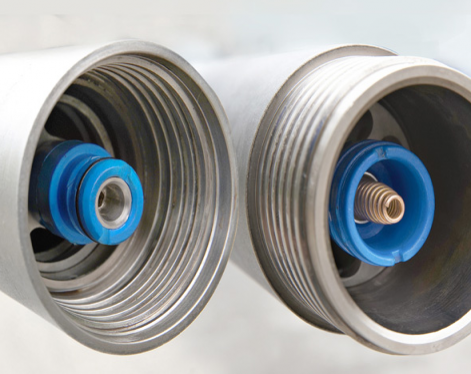
In mining, tunnel engineering, and geological exploration, complex conditions such as soft coal seams, fractured rock formations, or high-gas geology are frequently encountered. Under these conditions, traditional smooth drill pipes are prone to problems such as poor slag removal, borehole collapse, and even drill bit seizure. In these situations, helical drill pipes become the preferred solution for engineers.
Read more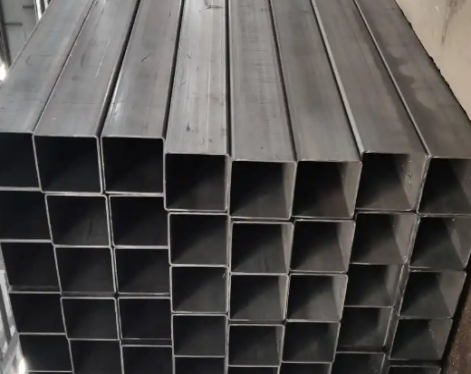
Hot-dip galvanized square and rectangular tubes are a popular product in the market. Before purchasing these products, consumers need to develop a procurement plan, an important aspect of which is understanding the product's selling price.
Read more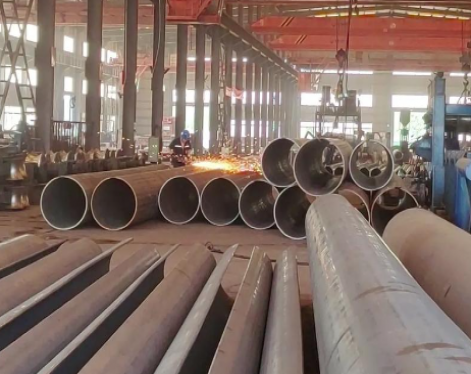
LSAW pipes, with their excellent pressure resistance and structural strength, are widely used in critical fields such as oil and gas transportation, marine engineering, and building piling. They often need to operate under extreme temperatures and pressures
Read more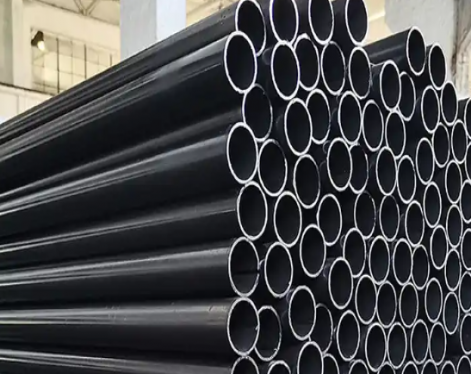
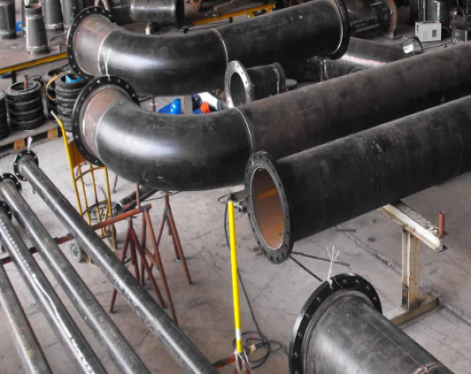
The biggest difference between Schedule 40 and Schedule 80 seamless black steel pipe is wall thickness and pressure capacity. Schedule 80 pipe has thicker walls, so it can handle higher pressure, stronger impact, and harsher industrial environments.
Read more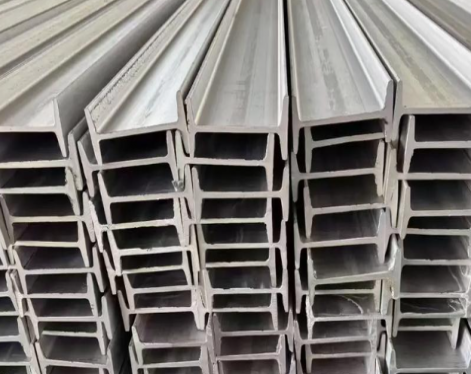
Stainless steel beams have high chromium content, giving them excellent corrosion resistance and a longer service life, making them ideal for harsh or humid environments. Mild steel beams contain low carbon steel, making them cheaper and easier to weld and fabricate, but they rust more easily without protective coating.
Read moreINQUIRY HERE